What Is an AC Filter Drier? Types, Uses & Replacement Guide
An air conditioning system depends on clean refrigerant and proper moisture control to operate efficiently. Moisture, dirt, and other contaminants in a refrigeration circuit can reduce cooling performance, restrict refrigerant flow, and damage key components. An AC filter drier helps protect the system by removing moisture and filtering contaminants from the refrigerant.
For HVAC technicians, AC maintenance companies, and refrigeration contractors, choosing the right filter drier is key to reliable system performance. Whether you are servicing a residential air conditioner, a commercial HVAC unit, or a refrigeration system, understanding filter drier types, applications, and replacement requirements can help you select the right component.
In this guide, we explain what an AC filter drier is, how it works, the different types available, and what to consider when purchasing a replacement filter drier in the UAE.
What Is an AC Filter Drier?
An AC filter drier is a refrigeration component installed in the refrigerant circuit to remove moisture and filter certain contaminants. It typically contains a desiccant material that absorbs moisture from the refrigerant, along with internal filtering elements that capture particles.
Moisture inside a refrigeration system can contribute to corrosion, ice formation at restrictions, and chemical reactions that may damage system components. Contaminants can also interfere with the operation of expansion devices and other sensitive parts.
A properly selected filter drier helps maintain refrigerant cleanliness and protects the air conditioning or refrigeration system.
If you are searching for an AC filter drier supplier in Dubai or refrigeration components online in the UAE, it is important to check the component’s application, refrigerant compatibility, capacity, and connection size before ordering.
How Does an AC Filter Drier Work?
An AC filter drier works as refrigerant passes through its internal filtering and moisture-absorbing materials. The exact construction depends on the type and model of the component.
Its main functions include:
- Moisture removal: Desiccant material absorbs moisture circulating within the refrigeration circuit.
- Contaminant filtration: Internal filtering elements capture particles and debris that could affect system operation.
- Component protection: By helping control moisture and contaminants, the filter drier reduces the risk of damage to expansion devices, compressors, and other refrigeration components.
A filter drier does not correct every refrigeration problem. It cannot repair a refrigerant leak, remove all forms of contamination, or compensate for an incorrectly installed system. Proper evacuation, leak testing, and refrigerant handling remain essential during servicing.
Types of AC Filter Driers
Different refrigeration systems require different filter drier designs. The correct selection depends on the system layout, refrigerant, operating conditions, and manufacturer recommendations.
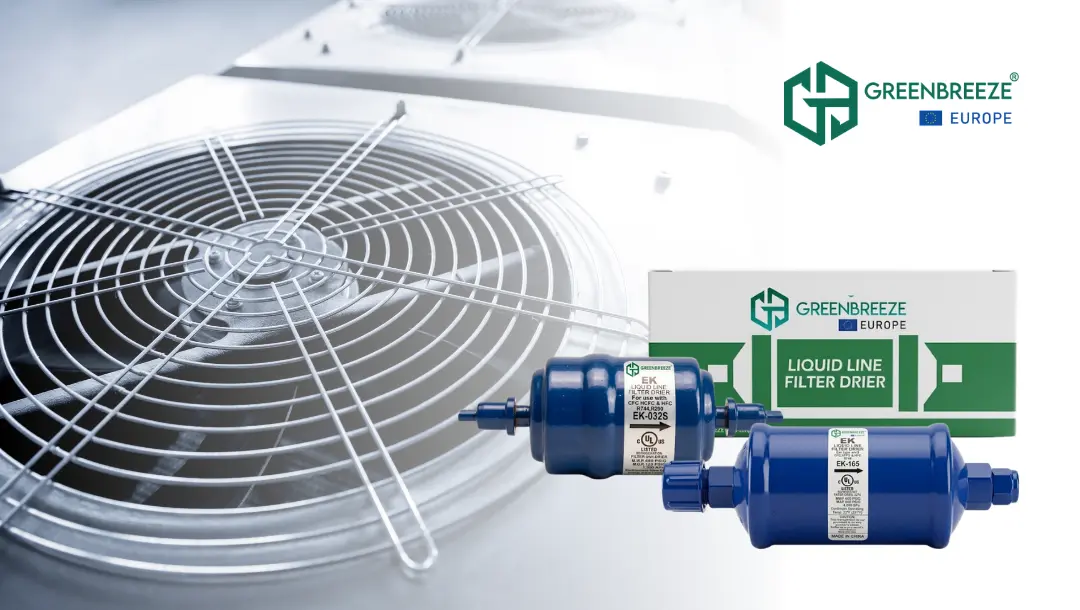
1. Liquid Line Filter Drier
A liquid line filter drier is installed in the liquid refrigerant line, typically downstream of the condenser or receiver and upstream of the expansion device.
Its primary purpose is to remove moisture and filter contaminants before the refrigerant reaches the expansion valve or other metering device.
Liquid line filter driers are commonly used in residential air conditioners, commercial HVAC equipment, and refrigeration systems. When replacing one, check the refrigerant type, rated capacity, connection size, and permitted flow direction.
2. Suction Line Filter Drier
A suction line filter drier is installed in the suction line between the evaporator and compressor. It is generally used for specific contamination-control requirements, particularly after a compressor burnout or where the refrigeration circuit requires additional cleanup.
These filter driers are designed for suction-side operating conditions, including lower pressure and the need to minimise pressure drop.
Do not automatically use a suction line filter drier as a replacement for a liquid line model. The two types serve different purposes and have different design requirements.
3. Replaceable-Core Filter Drier
Replaceable-core filter driers are commonly used in larger commercial and industrial refrigeration systems. Instead of replacing the entire housing, a technician can replace the internal core when required.
Depending on the housing and application, suitable cores may be selected for moisture removal, particulate filtration, or specific contamination-control requirements.
This design can be useful for larger HVAC installations and systems where regular maintenance is required. Always confirm that the replacement core is compatible with the existing housing and the manufacturer’s specifications.
Signs an AC Filter Drier May Need Replacement
An AC filter drier does not necessarily require replacement at every routine service. However, it should be inspected when a system develops symptoms that may indicate a restriction or contamination.
Common warning signs include:
1. Temperature difference across the filter drier: An unusual temperature drop or frost formation may indicate a restriction, although other system faults can produce similar symptoms.
2. Reduced cooling performance: Poor cooling may be associated with restricted refrigerant flow, but it can also result from low refrigerant charge, dirty coils, airflow problems, or other faults.
3. Compressor burnout or system contamination: A compressor failure can introduce contaminants into the refrigeration circuit. The filter drier and other affected components may need attention during the cleanup procedure.
4. Moisture exposure during repairs: If the refrigeration circuit has been opened for repair, the filter drier may need replacement, especially if it has been exposed to atmospheric moisture or the manufacturer specifies replacement.
5. Manufacturer-recommended service: Follow the equipment and filter drier manufacturer’s instructions for inspection and replacement.
These symptoms should be assessed by a qualified HVAC technician. A filter drier should not be replaced solely on the basis of poor cooling without diagnosing the underlying cause.
How to Choose the Right AC Filter Drier
When buying an AC filter drier, selecting a product based only on its physical size is not sufficient. The component must match the system’s operating requirements.
Check Refrigerant Compatibility
Confirm that the filter drier is suitable for the refrigerant used in the system, such as R410A, R32, R134a, or another approved refrigerant. Compatibility must be verified against the product manufacturer’s specifications.
Select the Correct Application
Determine whether the system requires a liquid line filter drier, a suction line filter drier, or a replaceable-core design. Using the wrong type can affect performance and may compromise system protection.
Confirm Capacity and Operating Pressure
Check the manufacturer’s rated capacity and operating pressure requirements. The selection should suit the refrigeration system’s design conditions and intended application.
Verify Connection Size and Type
Filter driers are available with different connection sizes and connection styles. Confirm whether the system requires a copper solder connection, flare connection, or another specified connection type.
Consider the System’s Contamination Level
A routine component replacement and a compressor burnout cleanup may require different filtration and moisture-control solutions. For severe contamination, follow the equipment manufacturer’s cleanup procedure rather than relying on a standard replacement alone.
When Should You Replace an AC Filter Drier?
Replacement is generally recommended when the refrigeration circuit has been opened, and the existing drier may have been exposed to moisture, when a restriction is confirmed, or when the component has reached the end of its service life according to the manufacturer’s instructions.
A new filter drier is also commonly installed during compressor replacement and certain refrigeration system repairs, depending on the contamination level and service procedure.
During replacement, the technician should use the correct component, follow the specified installation direction, prevent unnecessary exposure to air, and use proper brazing practices where applicable. The system must then be leak-tested, evacuated, and recharged according to the equipment manufacturer’s requirements.
Refrigerant recovery and handling should be performed using appropriate equipment and applicable regulations. Simply adding refrigerant without identifying the cause of a fault may not resolve the problem.
Where to Buy AC Filter Driers in the UAE
Finding the right refrigeration component is important for HVAC contractors, air conditioning maintenance companies, refrigeration technicians, and building maintenance teams working across Dubai, Abu Dhabi, Sharjah, and other parts of the UAE.
When sourcing an AC filter drier in the UAE, check the product specifications carefully and confirm compatibility with your existing equipment before placing an order.
At Cannelle. store, customers can explore HVAC and refrigeration product categories online and identify suitable components for their maintenance and installation requirements. For commercial projects, bulk requirements, or products that need specification confirmation, buyers can contact the sales team or request a quotation.
Before ordering, keep the equipment model, refrigerant type, required connection size, and existing component details available to help identify the appropriate replacement.
Conclusion
An AC filter drier is a small but important component in an air conditioning and refrigeration system. By helping remove moisture and filter contaminants, it protects sensitive components and supports reliable refrigerant flow.
Understanding the differences between liquid line, suction line, and replaceable-core filter driers makes it easier to identify the right product for a particular application. Before purchasing a replacement, always verify refrigerant compatibility, capacity, pressure rating, connection size, and manufacturer recommendations.
For HVAC contractors, technicians, and maintenance companies looking for AC filter driers and refrigeration components in the UAE, Cannelle. store provides an online destination to explore HVAC products and enquire about suitable components for your requirements.